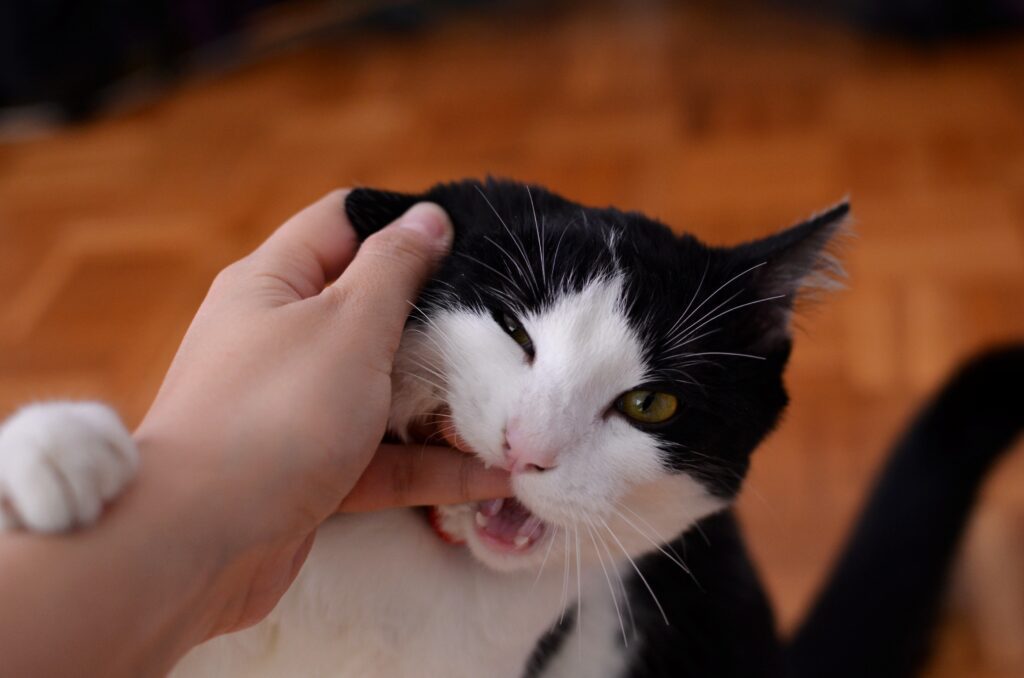
Animal and mammal bites are medical situations that require prompt attention, especially in tropical destinations such as Kata and Karon, Phuket. Any bite that breaks the skin requires thorough wound cleaning and medical evaluation to assess infection risk and determine whether rabies post-exposure prophylaxis is needed — do not delay, even if the wound appears minor. Even well-appearing animals can transmit bacteria or viruses through bites or scratches.
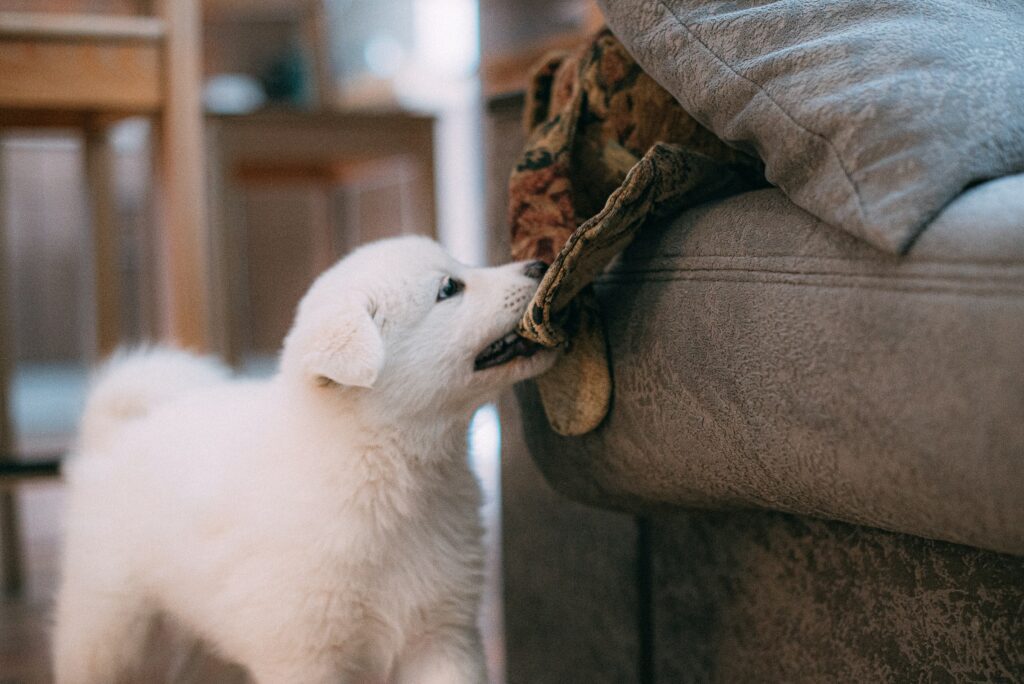
Common Causes of Mammal Bites in Phuket
1. Stray Dog Bites
Stray dogs are present in some public areas. Bites may occur if the animal feels threatened or startled.
2. Cat Bites or Scratches
Cats, including domestic or stray cats, may bite or scratch when handled. Cat bites can penetrate deeply and carry high bacterial infection risk.
3. Monkey Bites
Monkeys at tourist viewpoints or temples may bite if visitors attempt to feed or approach them. Monkey bites require urgent medical evaluation due to rabies risk.
4. Accidental Contact
Unintentional contact while jogging, cycling, or walking may provoke defensive behavior in animals. Even small puncture wounds should not be ignored.

FAQ: Are animal bites dangerous in Phuket?
Yes. Even minor bites can introduce bacteria and, in rare cases, rabies virus. Immediate cleaning and medical evaluation are essential to reduce infection risk.
Immediate First Aid After a Mammal Bite
If you are bitten, take the following steps immediately:
- Wash the wound thoroughly with soap and running water.
- Apply an antiseptic solution if available.
- Avoid tightly closing the wound unless instructed by a medical professional.
- Seek medical care as soon as possible.
Early washing significantly reduces rabies transmission risk and lowers bacterial infection rates. Do not delay evaluation, even if the wound appears small.
Symptoms to Watch For After a Bite
- Redness around the wound
- Swelling
- Warmth
- Increasing pain
- Pus or discharge
- Fever
- Enlarged lymph nodes
Rabies Risk in Thailand
Thailand remains a country where rabies exists in animal populations, although control programs have reduced cases significantly. Because rabies is a serious viral infection, preventive treatment after potential exposure is critical. Rabies exposure risk is determined by: type of animal, behavior of the animal, vaccination status (if known), and nature of the wound. Early post-exposure prophylaxis is highly effective when administered promptly.
FAQ: Do all animal bites require rabies vaccination?
Not all bites require vaccination, but medical evaluation is necessary to assess risk. A healthcare professional will determine whether rabies post-exposure prophylaxis is recommended.
When Should You Seek Immediate Medical Care in Karon?
- The skin is broken
- The bite is deep
- The wound is on the face, hands, or near joints
- The animal was stray or unknown
- The animal behaved aggressively or unusually
- You are unsure of your tetanus vaccination status
- The patient is a child
What to Expect During Your Visit
1. Assessment
Detailed history of the incident, physical examination of the wound, and assessment of rabies and tetanus risk.
2. Wound Care
Professional cleaning and irrigation. Preventive antibiotics are often prescribed, especially for deep bites or cat bites.
3. Vaccination
Tetanus booster if required based on vaccination history. If indicated, rabies vaccination series will be initiated according to international guidelines. In certain high-risk cases, rabies immunoglobulin may also be administered.
At Doctor Karon Medical Clinic, we follow standard rabies prevention protocols and prioritize clear communication with international travelers to ensure understanding of follow-up schedules, especially if vaccination series must continue after leaving Thailand.
Preventing Mammal Bites During Your Stay
- Avoiding contact with stray animals
- Not feeding monkeys or stray dogs
- Supervising children closely
- Avoiding sudden movements near animals
- Seeking medical care immediately after any bite or scratch
Supporting Your Safety in Karon
If you experience an animal bite while staying in Karon, Doctor Karon Medical Clinic offers professional medical care including thorough wound management, vaccination assessment, and rabies prevention treatment according to established medical guidelines. Early treatment ensures peace of mind and allows you to continue your travel plans safely and confidently.
FAQ: How many rabies shots are required after exposure?
The number of doses depends on vaccination history and risk assessment. Most unvaccinated individuals require a series of injections over several weeks.
FAQ: Is it safe to continue traveling after starting rabies treatment?
Yes, but follow-up doses must be completed on schedule. A doctor can provide documentation and guidance for continuing vaccination if you travel to another destination.
FAQ: Can small scratches transmit rabies?
Yes. Any break in the skin caused by a potentially infected mammal requires evaluation.