Quick answer: July is Phuket’s green season (southwest monsoon). Expect short, heavy afternoon showers, quieter beaches, and lower hotel prices — but also rough seas on the west coast and more mosquitoes. You can still have a great trip if you plan outdoor activities for the morning, never swim when red flags are flying, use insect repellent daily, and know where to find medical help near your hotel.
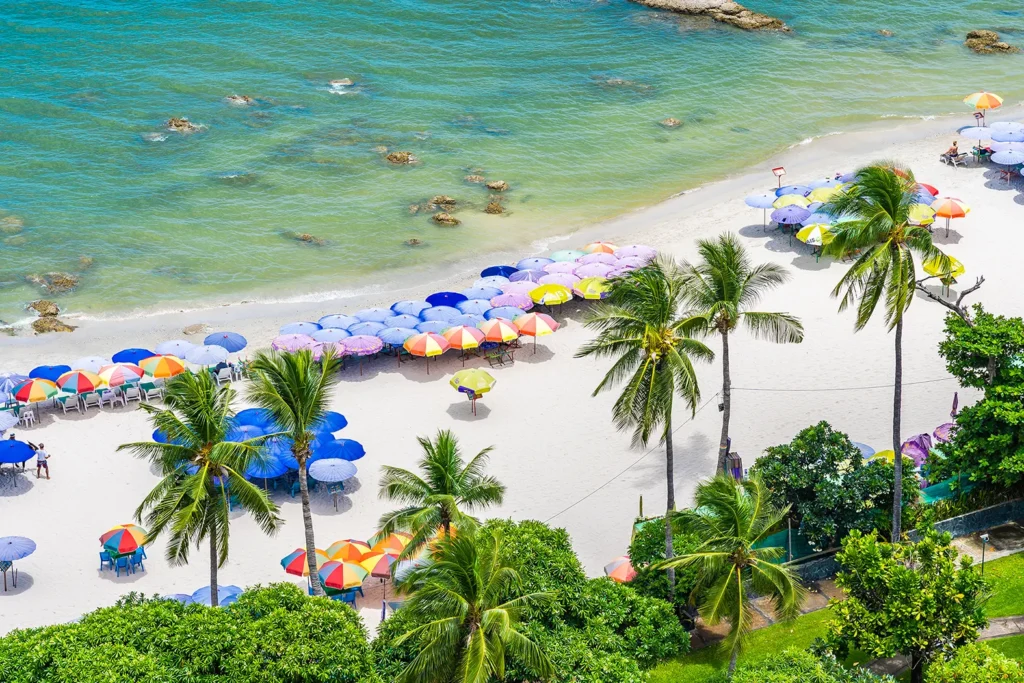
If you’re arriving in Karon Beach, Kata, or Patong this month, here’s what to expect — and how to keep your holiday on track.
What is Phuket like in July?
July sits in the middle of Phuket’s monsoon season, which locals often call the green season. The island stays warm (roughly 25–32°C), but humidity is high and rain falls on many days — usually as a short, heavy downpour in the afternoon or evening rather than all-day rain.
The upside for visitors:
- Fewer crowds at beaches, viewpoints, and Old Phuket Town
- Lower prices on hotels and tours
- Lush scenery — waterfalls and jungle are at their best
- Great surf — Kata and Kalim become surf spots in the monsoon swell
The trade-off: the Andaman Sea is rougher, some boat trips get cancelled at short notice, and health risks like mosquito-borne illness increase in the wet months.
Things to do in Phuket during the green season
- Mornings first. Skies are usually clearest before noon. Plan Big Buddha, Karon Viewpoint, and beach time early in the day.
- Surf lessons at Kata Beach. July waves attract surfers from around the world, and surf schools operate all season — a short songthaew ride from Karon Beach.
- Old Phuket Town. Sino-Portuguese shophouses, cafés, street art, and weekend markets — perfect for a rainy afternoon.
- Thai cooking classes, spas, and muay thai gyms. Indoor activities are excellent backup plans when a shower rolls in.
- Island trips — with flexibility. Tours to Phi Phi and nearby islands still run most days, but book refundable options and take a motion-sickness tablet if you’re prone to seasickness — crossings can be choppy. If Maya Bay is on your list, note that it closes from 1 August to 30 September each year for environmental recovery.
- Waterfalls and jungle. Rain makes them spectacular — but skip waterfall visits during or right after heavy rain, when flash flooding is possible.
Local tip: In late July 2026, Asalha Bucha and the start of Buddhist Lent fall at the end of the month. Temples hold beautiful candle ceremonies, and alcohol sales are paused for 24 hours on these holidays — plan your evenings accordingly.
What to watch out for in Phuket’s rainy season
1. Rough seas and rip currents — respect the flags
This is the most important safety point of the whole season. The monsoon creates strong rip currents at west-coast beaches, including Karon and Kata.
- Red flag = do not swim. No exceptions, even for strong swimmers.
- Yellow flag means caution — stay in shallow water near a lifeguard.
- If caught in a current, don’t fight it. Swim parallel to the beach until you’re free, then head in.
Many hotels in Karon have excellent pools — on rough-sea days, that’s your beach.
2. Mosquitoes and dengue fever
The wet season is peak mosquito season in southern Thailand. Dengue is present in Phuket year-round, and cases typically rise in the rainy months.
- Apply repellent with DEET, picaridin, or IR3535 every day, especially at dawn and dusk
- Wear light, loose clothing that covers arms and legs in the evening
- Sleep with air-con or screened windows
If you develop a high fever, severe headache, or body aches during or shortly after your trip, see a doctor promptly rather than waiting it out.
3. Wet roads and motorbikes
Road accidents are the most common reason tourists need medical care in Phuket, and slippery monsoon roads make it worse. If you do ride: wear a helmet (always), avoid riding in heavy rain, and be extra careful on the steep hill roads between Karon, Kata, and Patong. Painted road markings become very slick when wet.
4. Stomach troubles
Heat, humidity, new foods, and travel can upset even a strong stomach. Choose busy restaurants with high turnover, drink bottled or filtered water, and go easy on ice from unknown sources at street stalls. Oral rehydration salts (available at any Phuket pharmacy) are worth keeping in your bag.
5. Cuts, coral scrapes, and marine stings
Warm, humid weather means small wounds can become infected quickly in the tropics. Clean any cut or scrape promptly with clean water and antiseptic, keep it dry, and have it checked if it becomes red, swollen, or painful. Jellyfish are occasionally present in monsoon waters — another reason to follow beach flags and lifeguard advice.
6. Sunburn — yes, even in rainy season
UV levels in Phuket stay extreme even under cloud. Use SPF 50+ daily; cloudy-day sunburn catches many visitors by surprise.
Practical travel tips for foreigners visiting Phuket in July
- Pack: light rain jacket or compact umbrella, waterproof sandals, dry bag for phone/passport, insect repellent, SPF 50+ sunscreen, any regular medications in original packaging
- Book flexible: choose tours and boat trips with free cancellation — sea conditions can change plans quickly
- Check the forecast daily: the Thai Meteorological Department issues warnings when the monsoon strengthens; hotels and tour desks will know the latest
- Travel insurance: make sure your policy covers medical treatment in Thailand and, ideally, weather-related trip changes
- Save a local clinic’s contact before you need it: knowing where to go for a fever, stomach bug, or scooter scrape saves stress later
Where to get medical help in Karon Beach
Doctor Karon Clinic is a walk-in clinic in Karon Beach, Phuket, with English-speaking staff and transparent pricing. We regularly help tourists and expats with travel-related illness, minor injuries, wound care, and general consultations — no appointment needed.
If something doesn’t feel right during your trip, come in and let us take a look. It’s usually a quick visit, and it means you can get back to enjoying the island.
📍 Karon Beach, Phuket | Walk-ins welcome | English-speaking staff
Yes — if you don’t mind afternoon showers. July offers lower prices, fewer crowds, lush scenery, and good surfing at Kata Beach. Plan outdoor activities in the mornings and keep indoor backups for rainy afternoons.
Only when conditions allow. Monsoon seas bring strong rip currents to Karon and Kata. Never swim when red flags are flying, and stay near lifeguards under yellow flags. Hotel pools are the safe alternative on rough days.
Dengue is present in Phuket year-round and increases in the wet months. Use insect repellent daily, cover up at dawn and dusk, and see a doctor promptly if you develop a high fever during or after your trip.
Most tours operate normally, but crossings can be choppy and trips may be cancelled during storms. Book flexible tickets. Maya Bay remains open through July but closes from 1 August to 30 September each year.
Doctor Karon Clinic in Karon Beach, Phuket offers walk-in consultations with English-speaking staff and transparent pricing — convenient for tourists and expats staying in the Karon and Kata area.