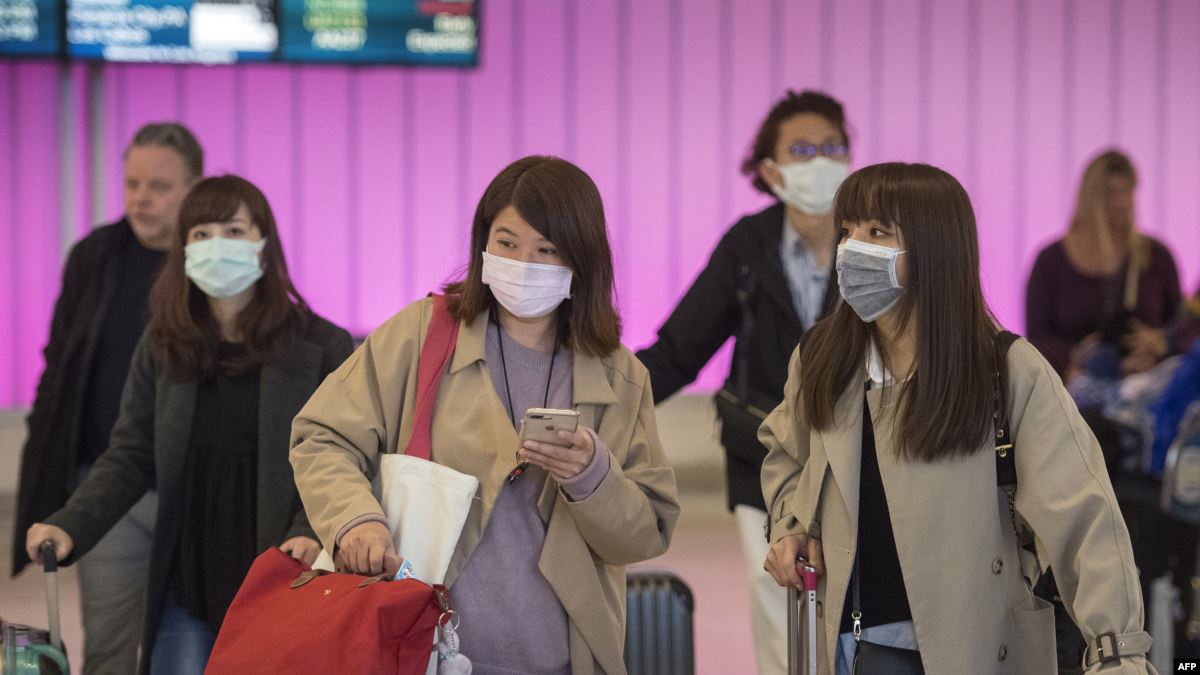
Phuket is known for its beautiful beaches, island tours, and tropical climate. From March to May, the island enters its hot season, when temperatures can reach 33–36°C (91–97°F) with high humidity. While this is still a great time to visit Phuket, the heat can increase the risk of dehydration, sunburn, heat exhaustion, and other health issues if travelers are not properly prepared.
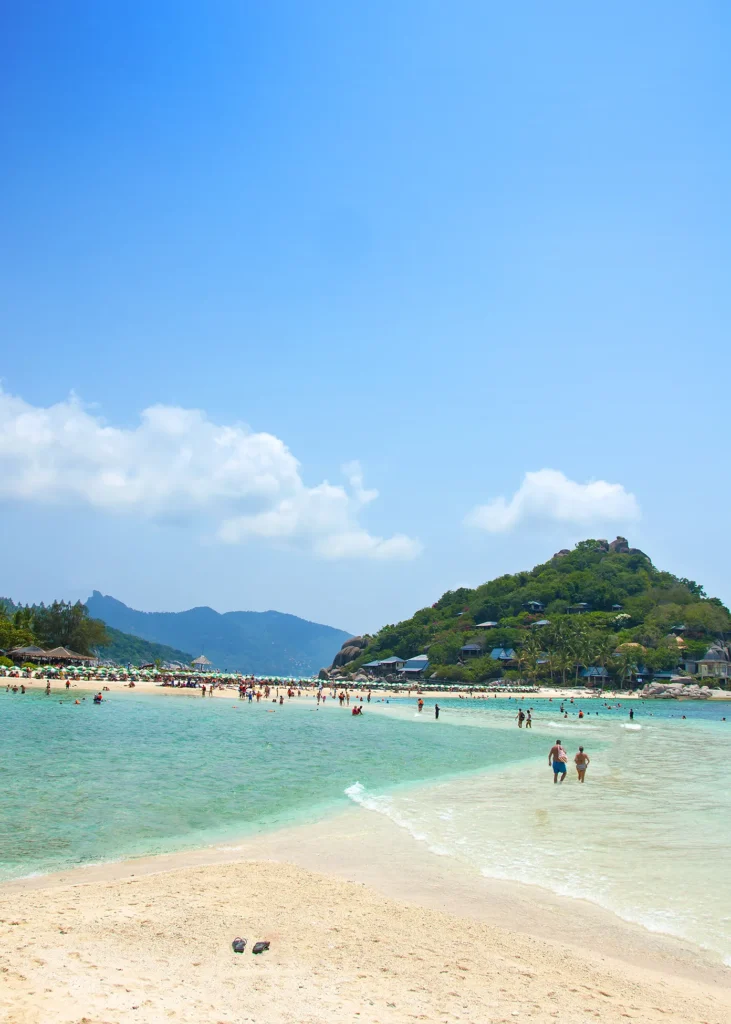
Here are some essential Phuket hot season health tips to help you stay safe and enjoy your trip.
1. Stay Hydrated Throughout the Day
One of the most common health problems during the hot season in Phuket is dehydration. Spending time outdoors, visiting beaches, or walking around markets can quickly lead to fluid loss.
Tips to stay hydrated:
- Drink at least 2–3 liters of water daily
- Carry a reusable water bottle
- Drink coconut water or electrolyte drinks after long outdoor activities
- Limit alcohol and caffeine, which can increase dehydration
Symptoms of dehydration may include dizziness, fatigue, headache, and dry mouth. If symptoms become severe, medical care may be necessary.
2. Protect Yourself from the Strong Tropical Sun
The sun in Phuket can be intense, especially between 11:00 AM and 3:00 PM. Without protection, travelers can quickly develop sunburn or heat exhaustion.
To protect your skin and body:
- Apply broad-spectrum sunscreen (SPF 30 or higher)
- Reapply sunscreen every 2 hours, especially after swimming
- Wear lightweight clothing, hats, and sunglasses
- Take breaks in the shade or indoors
Severe sunburn may cause pain, redness, fever, or dehydration, which may require medical attention.
3. Avoid Heat Exhaustion
Heat exhaustion is a common issue for tourists unfamiliar with tropical climates.
Symptoms may include:
- Heavy sweating
- Weakness or fatigue
- Nausea or vomiting
- Dizziness or fainting
- Muscle cramps
To prevent heat exhaustion:
- Avoid outdoor activities during peak heat hours
- Rest regularly in shaded areas
- Drink fluids frequently
- Wear breathable clothing
If symptoms worsen or do not improve with rest and hydration, seek medical care.
4. Be Careful with Food and Hygiene
Hot weather can increase the risk of food poisoning and stomach illness, especially when eating street food or seafood.
Health tips:
- Eat food that is freshly cooked and served hot
- Choose busy restaurants with good hygiene
- Wash hands regularly or use hand sanitizer
- Drink bottled or filtered water
Traveler’s diarrhea can quickly lead to dehydration, especially in hot climates.
5. Protect Yourself from Mosquito Bites
Mosquitoes are active in tropical areas year-round. They can carry diseases such as dengue fever, which is present in Thailand.
Prevention tips:
- Use mosquito repellent
- Wear long sleeves in the evening
- Avoid areas with standing water
- Keep doors and windows closed or screened
Symptoms of dengue include high fever, headache, joint pain, and rash. Seek medical attention immediately if symptoms appear.

When to Visit a Clinic in Phuket
You should seek medical care if you experience:
- Persistent fever
- Severe dehydration
- Vomiting or diarrhea lasting more than 24 hours
- Severe sunburn
- Signs of infection from cuts or insect bites
- Symptoms of dengue fever
Early treatment can prevent more serious complications.
Doctor Karon Clinic – Healthcare for Travelers in Phuket
If you feel unwell during the hot season, Doctor Karon Clinic provides professional medical care for travelers, expats, and residents.
Located near Karon Beach, the clinic offers:
- General medical consultations
- Treatment for dehydration and heat exhaustion
- Care for food poisoning and stomach illness
- Dengue testing
- IV hydration therapy
- Treatment for sunburn, rashes, and allergies
- English-speaking doctors and staff
Our goal is to help visitors recover quickly so they can continue enjoying their time in Phuket.